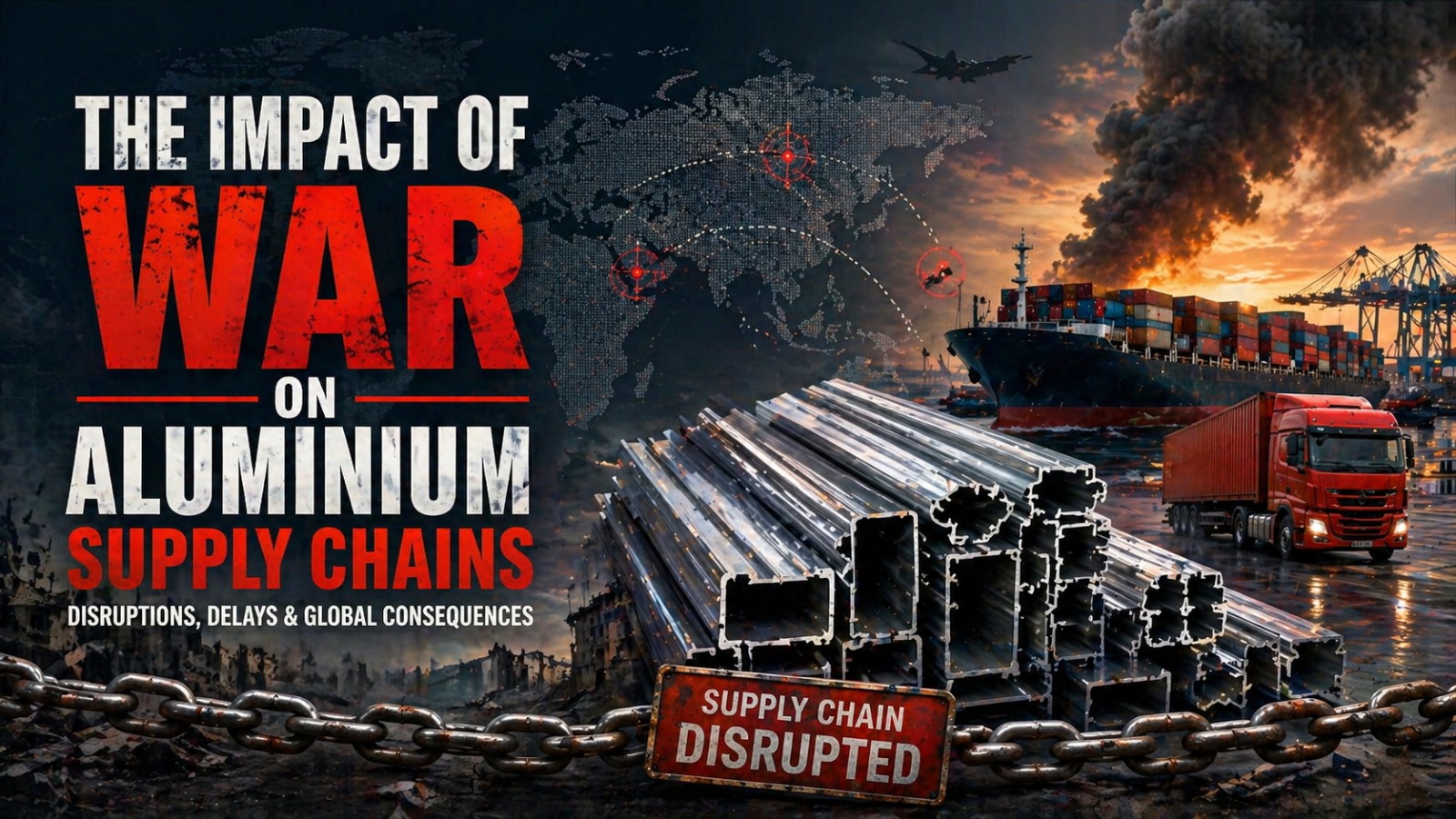
What happens to your business when a war breaks out thousands of miles away? It may feel distant, but the Impact of War on Aluminium Supply Chains is immediate, complex, and deeply interconnected with global trade. From raw material shortages to rising costs and delayed shipments, the aluminium industry faces significant turbulence during such geopolitical conflicts.
At INEX, we understand these uncertainties closely. As a trusted global aluminium manufacturer and a reliable aluminium parts manufacturer of India, we work proactively to ensure stability, consistency, and continuity for our international clients, even in the most challenging times.
Understanding the Global Aluminium Ecosystem
The aluminium market is highly globalized. Bauxite may be mined in one country, refined into alumina in another, and smelted into aluminium elsewhere before reaching manufacturers. This interconnected system makes aluminium supply chains particularly vulnerable to geopolitical disruptions.
Wars and conflicts often impact:
- Mining and raw material availability
- Energy supply (critical for aluminium smelting)
- Transportation and shipping routes
- International trade policies and sanctions
These disruptions create a ripple effect across the aluminium supply chain issues, affecting industries from construction to automotive and aerospace.
Effects of War on Aluminium Production, Exports, and Logistics
One of the most immediate consequences of conflict is the effects of war on aluminium production, exports, and logistics. War zones often include or are near key production hubs, which can halt operations entirely.
Key impacts include:
- Shutdown of smelters due to energy shortages
- Export restrictions or sanctions on aluminium-producing countries
- Increased fuel costs are affecting transportation
- Limited workforce availability
This leads to reduced output in the aluminium industry and increased pressure on global supply.
Effects of War on Aluminium Trade Routes and Logistics
War significantly alters aluminium trade routes and logistics. Shipping lanes may become unsafe or restricted, forcing companies to reroute shipments, which increases both time and cost.
Some major challenges include:
- Blocked or high-risk maritime routes
- Delays in ports due to heightened security
- Increased insurance costs for cargo
- Reduced availability of shipping containers
These challenges in aluminium transportation and distribution during war make timely delivery a critical concern for global buyers.
Supply Chain Disruption and the Global Economy
The effects of supply chain disruption on the world economy are profound. Aluminium is a foundational material used in infrastructure, packaging, electronics, and transportation. Any disruption in its supply chain affects multiple industries simultaneously.
As supply tightens:
- Prices in the aluminium market become volatile
- Manufacturers face production delays
- End consumers experience cost increases
This instability highlights how deeply the aluminium industry is tied to global economic health.
Raw Material Sourcing Under Pressure
Another critical concern is how war affects aluminium raw material sourcing and availability. Countries rich in bauxite or alumina may become inaccessible due to political instability or trade restrictions.
This leads to:
- Limited sourcing options for manufacturers
- Increased dependency on alternative suppliers
- Higher procurement costs
Understanding how war affects aluminium raw material sourcing and availability is essential for businesses looking to build resilient supply strategies.
Adapting to Aluminium Supply Chain Issues
In response to ongoing supply chain disruption, companies across the globe are adapting their strategies:
- Diversifying supplier networks
- Increasing inventory buffers
- Investing in local sourcing where possible
- Strengthening logistics partnerships
For global buyers, choosing the right aluminium parts manufacturer becomes more important than ever.
How INEX Ensures Stability in Uncertain Times
At INEX, we believe that reliability is not just a promise, it’s a system we build intentionally. In a world affected by aluminium import and export issues, our approach focuses on resilience, adaptability, and global standards.
Here’s how we stand apart in the aluminium industry:
- Strong and diversified sourcing network to reduce dependency risks.
- Advanced production capabilities ensuring consistent aluminium products quality.
- Expertise as one of the best aluminium extrusion partner for global clients.
- Efficient logistics planning to overcome challenges in aluminium transportation and distribution during war.
- Transparent communication and proactive updates.
Our commitment allows us to navigate the effects of war on aluminium production industry while ensuring our clients experience minimal disruption. This is why global buyers continue to trust INEX as a reliable partner in the evolving market.
Conclusion
The Impact of War on Aluminium Supply Chains is far-reaching, influencing everything from raw material sourcing to final delivery. While these disruptions are often unpredictable, businesses that stay informed and partner with resilient suppliers can navigate them effectively.
We, at INEX, don’t just respond to change, but prepare for it. By combining expertise, global insight, and a strong operational foundation, we ensure that even in uncertain times, your supply chain remains steady, secure, and dependable.